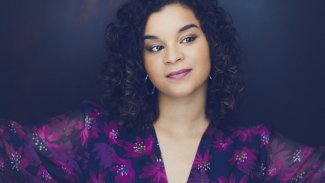
Jacquelyn Stucker
“…but for sheer sensual beauty of voice, the star of the show was the American soprano Jacquelyn Stucker.”
- The Telegraph
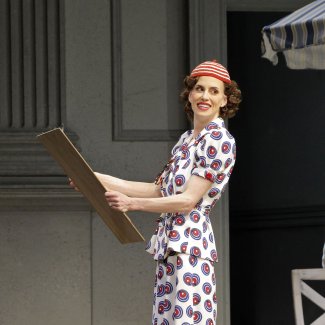
Widely acknowledged as one of today’s most exciting singing actresses, American soprano Jacquelyn Stucker’s unanimously acclaimed debut as Poppea in Ted Huffman’s inspired staging of L’incoronazione di Poppea at Festival d’Aix-en-Provence firmly sealed her reputation as a rapidly rising star. Her command of a broad range of repertoire from classical to contemporary has been on full display in recent seasons, from her company debut at The Metropolitan Opera as Contessa (Le nozze di Figaro) under Joana Mallwitz, to her role debut as The Governess (The Turn of the Screw) at Santa Fe Opera conducted by Gemma New, and her house and role debut at Opéra national de Paris as Lucia de Nobile in Thomas Adès’ The Exterminating Angel.
Last season Stucker was unanimously praised for her contrasting portrayals of Ginevra in two new productions of Ariodante: in Robert Carsen’s setting at Opéra national de Paris under Raphaël Pichon and in Jetske Mijnssen’s staging for Royal Ballet & Opera conducted by Stefano Montanari. Her return to The Metropolitan Opera as The Bride in Saariaho’s Innocence under the baton of Susana Mälkki, and her debut as Fiordiligi (Così fan tutte) at Lyric Opera Chicago conducted by Enrique Mazzola further cemented her place as a formidable stage presence possessing clear and beautiful phrasing and superlative virtuosity.
See More
Jacquelyn Stucker’s 2026/2027 season is no less impressive, appearing as Gwen in Ted Huffmann’s staging of Philip Venables’ 4.48 Psychosis on the Linbury Stage, Royal Ballet & Opera, followed by her debut as Donna Elvira in Louisa Proske’s new production of Don Giovanni at Opéra national de Paris under Finnegan Downie Dear, and she makes a house debut at Gran Teatre del Liceu reprising Lucia de Nobile in Calixto Bieito’s hit production of Adès’ The Exterminating Angel, under the baton of the composer.
Further opera highlights have included her guest artist debut at Royal Ballet & Opera as Pamina (Die Zauberflöte) under Maxim Emelyanychev, her return to Festival d’Aix-en-Provence as Dalila in Rameau’s Samson in a new conception by Claus Guth and Raphaël Pichon as well as Rosalinde (Die Fledermaus) both at Staatsoper Hamburg and on tour with Les Musiciens du Louvre and Marc Minkowski in Paris and Madrid. She made her Glyndebourne Festival Opera debut as Armida (Rinaldo), sang Eurydice in an innovative production of Orphée et Eurydice with Ensemble Pygmalion and Raphaël Pichon, filmed for Arte France, and sang the role of Zabelle in George Benjamin’s Picture a Day Like This at the Royal Ballet & Opera’s Linbury Theatre.
A refined concert artist, Stucker has appeared with leading orchestras and conductors with highlights including Berg’s Sieben frühe Lieder with Sir Donald Runnicles and the Minnesota Orchestra, Beethoven’s Missa Solemnis with Klaus Mäkelä and the Oslo Philharmonic, Brahms’ Ein deutsches Requiem with Finnegan Downie Dear at Tokyo Spring Festival, and Handel’s Samson with the Academy of Ancient Music, marking her BBC Proms debut.
Jacqueline Stucker holds a Doctorate in Musical Arts from the New England Conservatory.
Contacts
Catherine Znak Artist Relations Manager, VOICE
Catherine Znak Artist Relations Manager, VOICE
General Management
Gallery



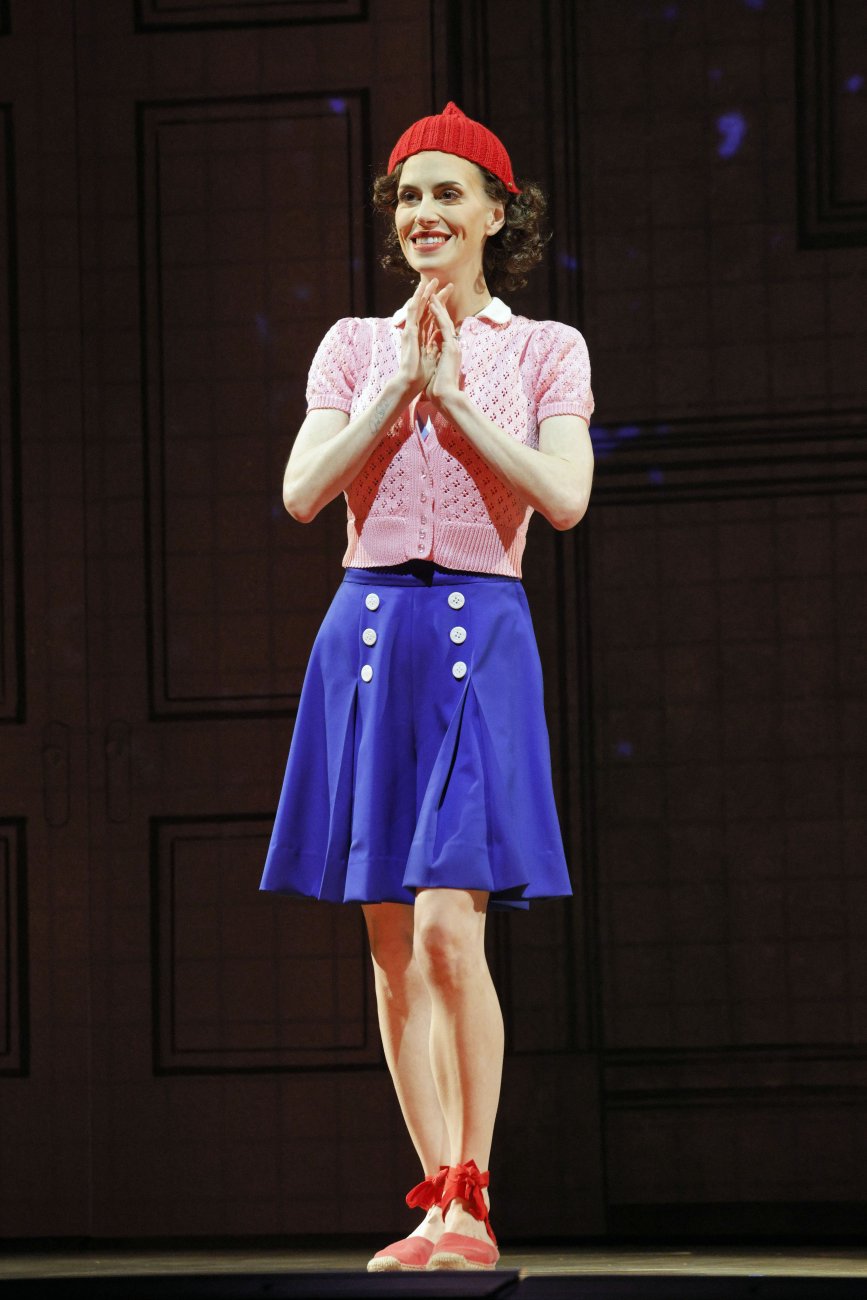
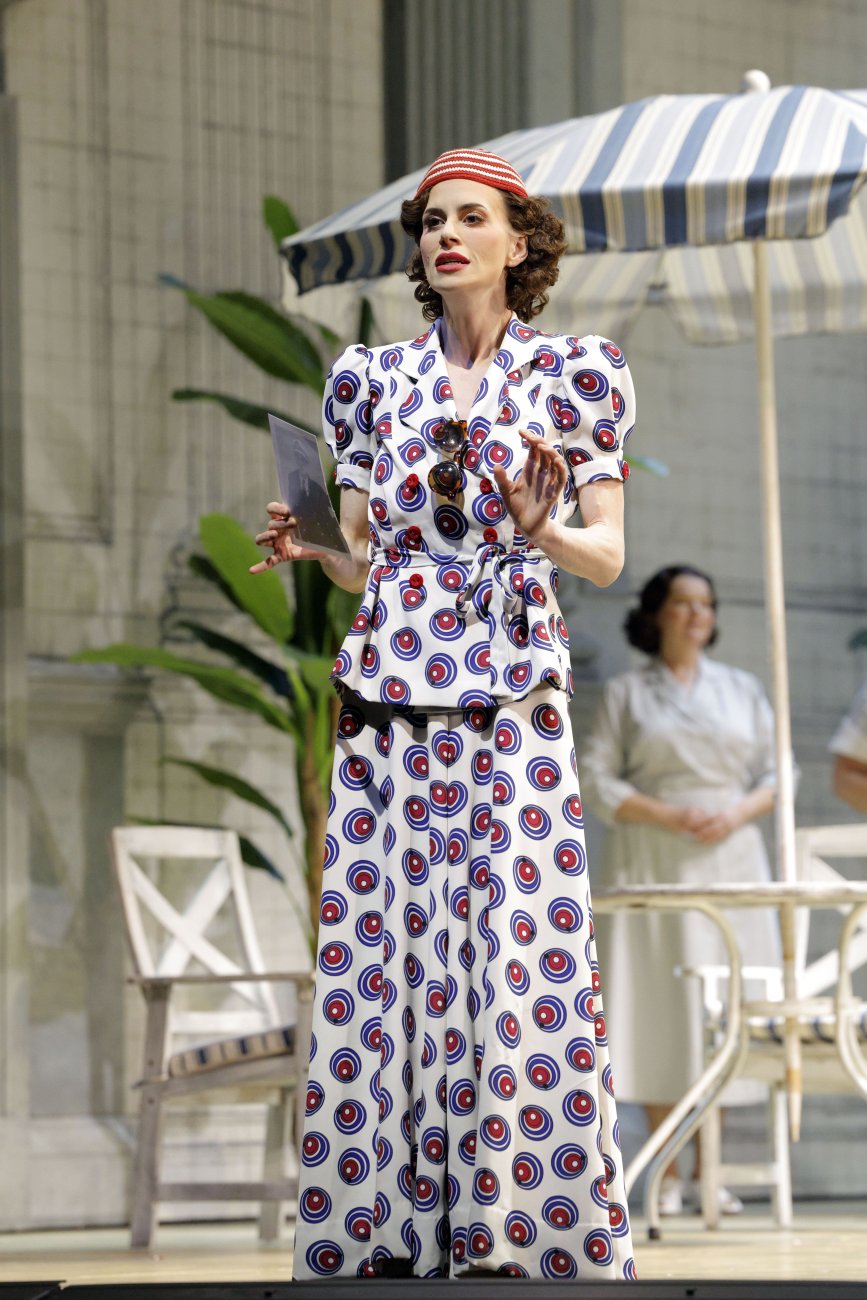
“For the bride, Jacquelyn Stucker offers a head voice that is both rounded and warm, but also piercing high notes that convey the anxiety of her situation.”
“Jacquelyn Stucker’s Bride projected a poised, luminous lyricism, her tone cleanly focused and evenly sustained, reinforcing the character’s emotional isolation within the unfolding revelations.”
“Jacquelyn Stucker was fantastic as Stela, especially in her second-half solo moment where she comes to the realization that Tuomas saw her a new beginning. Here the vocal writing shifts into the upper register repeatedly and the soprano’s high notes were potent and precise in these moments.”
“There were several compelling vocal discoveries, including Jacquelyn Stucker as Fiordiligi. The American soprano and the Italian mezzo Cecilia Molinari not only looked like sisters but blended their voices very nicely in the duets and other ensembles. Stucker made ‘Per pietà, ben mio perdona’ a most affecting confession of Fiordiligi’s dilemma.”
”Stucker sings her role’s coloratura passages seemingly without effort”
“’Stucker has a gleaming voice with considerable power and pinpoint control. She dazzles in her first-act aria, “Come scoglio,” handling its tricky coloratura or ornamented singing and jumping across its two-plus octaves with agility and ease, showing off her beautiful upper and surprisingly strong bottom registers.’”
“Stucker does suffering well and her ‘Il mio crudel’ lament at the end of Act 2 was outstanding, bending notes for effect, leaning into dissonances. ‘Io ti bacio, Ginevra’s plea to her father, was simply stunning.”
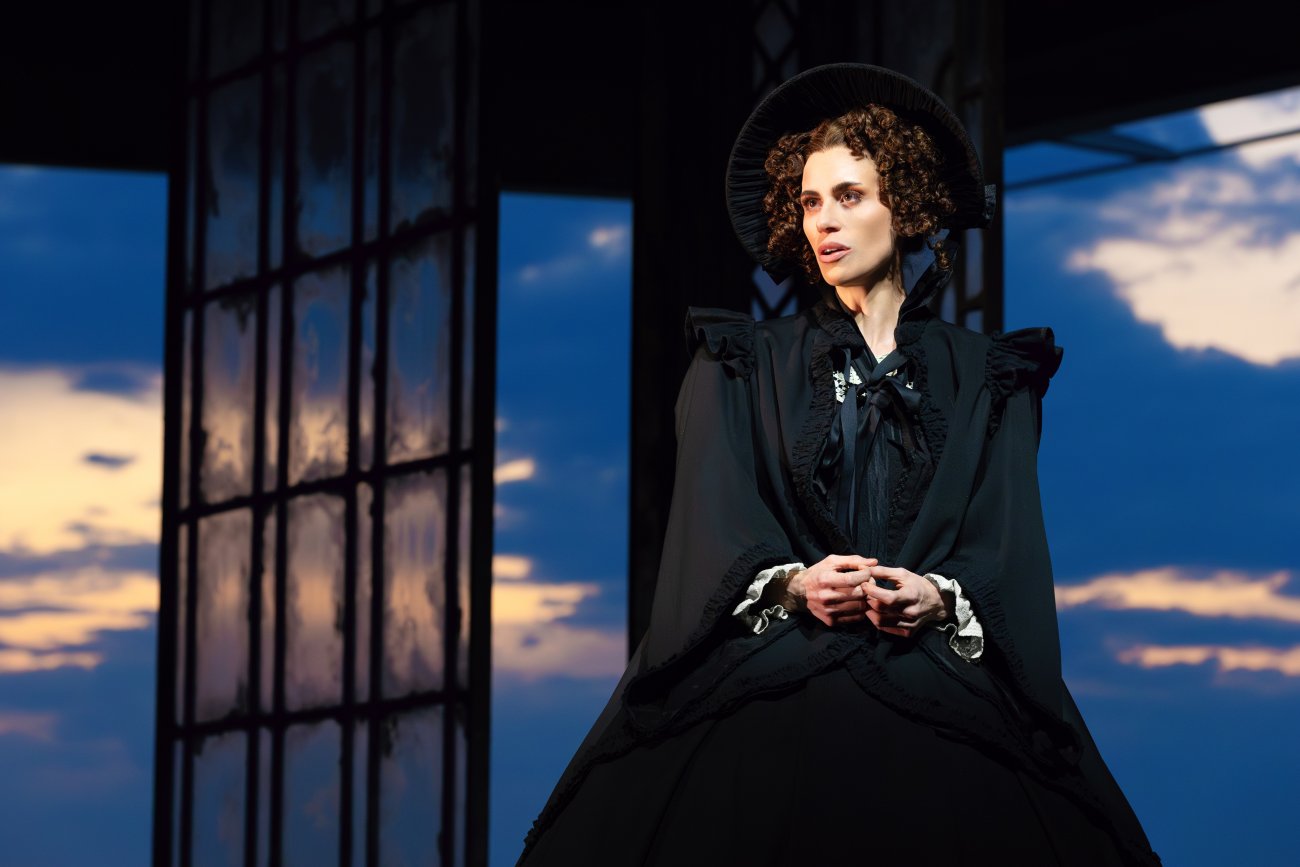
“As played and superbly sung by Jacquelyn Stucker, the Governess was a quirky character, neurotic and with probably quite a backstory. Singing with verbal clarity, Stucker supplied both warmth and a disturbing demeanour.”
“Jacquelyn Stucker, dressed and undressed to kill, in a laudably eloquent, sonorous first foray into Rameau.”
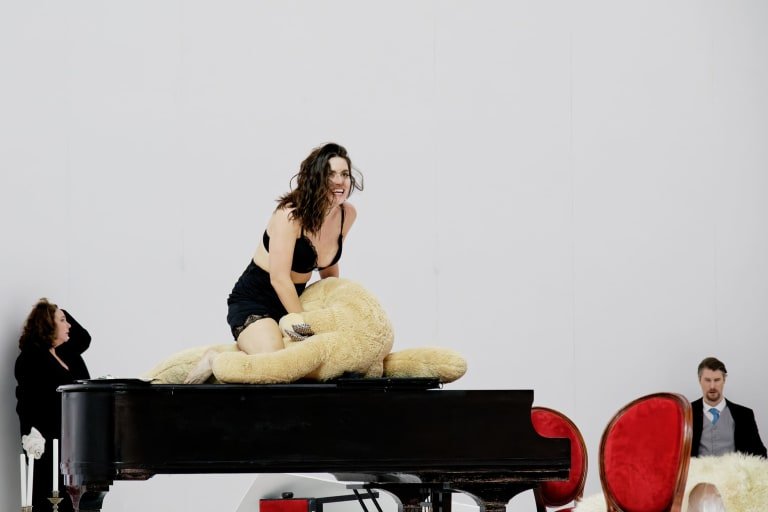
“Jacquelyn Stucker was phenomenal. Her Dalila, more tragic than an occasion for erotic turmoil, was unforgettable. She sang most of the opera in her underwear, being humiliated and despised by the philistines in the most aggressive manner. All this vulnerability translated into some of the most exquisite singing. Her voice sounded pure, lyrical, and warm.”
“Pichon has chosen many exquisite pieces of music, which he conducts with a mixture of high drama and sensitivity. The singers perform with profound commitment: Jacquelyn Stucker manages ravishing musicality and glassy precision as Dalila”
“The exceptional Jacquelyn Stucker as Dalila, a fragile and enchanting idol, comes to life with unparalleled performance. Her duet with a flute from the orchestra will remain one of the most beautiful moments of the evening”
“Jacquelyn Stucker sang the hostess Lucía de Nobile with lyrical perfection and bodily presence in her extramarital affairs. The soprano, gifted with a lyrical voice, managed to make the role something distinguished.”
“Most striking is Jacquelyn Stucker as Lucía de Nobile. Her powerful, round voice, with a particularly dense timbre, and precision of singing accompany the interpretation without exhausting the character she portrays.”
“Soprano Jacquelyn Stucker with clear and beautiful phrasing and superlative virtuosity.”
“American soprano Jacquelyn Stucker, as Rosalinde, had the most memorable voice, a distinct beautiful timbre, and a rich creamy middle.”
“Jacquelyn Stucker’s gleaming soprano was worth the wait.”
“The weight of the performance undoubtedly falls on the interpreter of Poppea; on this occasion the American soprano Jacquelyn Stucker is truly extraordinary and without a doubt a singer to follow closely. You rarely see someone live a role with that intensity and truth. In her Poppea there was intention, exquisiteness, dedication… a splendid creation, lived in body and soul. Vocally she is impeccable, resolving the entire part with overwhelming ease.”
“Jacquelyn Stucker’s beautiful Poppea stood out, with singing and stage presence that make her the ideal interpreter of such a rich character.”
“Jacquelyn Stucker illuminated the darkness as Pamina: distilling strength from sweetness and (in that transcendent moment just before the final Trials) reducing me to a tearful, choked-up mess.”
“The cast was headed by Jacquelyn Stucker, a strikingly beautiful woman who imbued her music with a smouldering soprano tone.”
“Stucker possesses a wonderfully expressive voice, with an interesting, colorful pallet which she used intelligently to imbue her voice with an alluring sensuality quality. Her phrasing was detailed and carefully moulded to fit the text, and displayed her fine technique to good effect. She projects her voice sensitively and clearly.”
“Jacquelyn Stucker was a thrilling soloist. She has a full-sounding voice, evenly matched from the bottom of her range to the radiant high notes that Strauss requires. She had the stamina to carry the long lines through, pouring waves of beautiful legato lines.”
“Jacquelyn Stucker who, as a fire-and-brimstone Armida, topped the vocal honours and commanded the dramatic stage. Stucker sang with a sparkle like the luxurious shine of rubies as Armida stamped and scorched her way through any obstacle that dared to confront her. Stucker’s soprano evinced a glamorous intensity with a real glint of danger. It had both bite at the top and succulence in the middle, as well as darkness at the bottom: it’s hard to imagine a soprano with the power and range more suited to embody the evil enchantress’.”
“Stucker scorched the auditorium with Armida’s second act showstopper “Ah, crudel”, her resolute soprano tinted a rich shade of spinto for the whip-cracking dominatrix.”
“but for sheer sensual beauty of voice, the star of the show was the American soprano Jacquelyn Stucker – one of the Royal Opera’s exceptionally strong current crop of apprentices and clearly a name to remember.”
“Jacquelyn Stucker’s Alessandro took the crown for pure vocal beauty, with top notes that exuded warmth as well as clarity and balanced phrasing.”