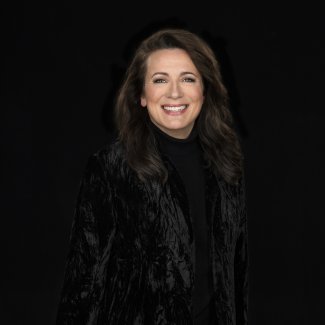
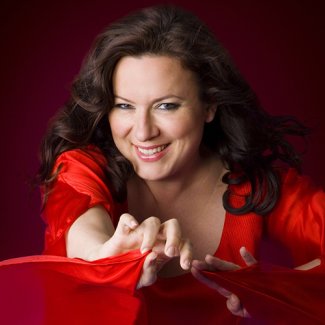
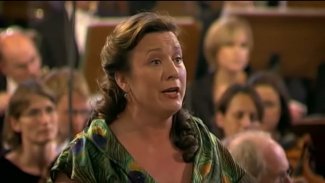
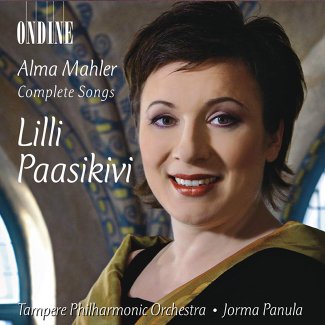
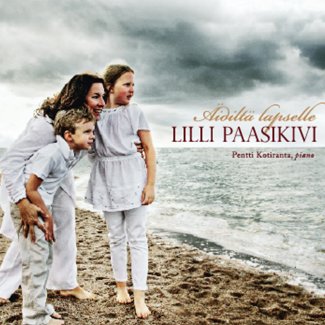
Lilli Paasikivi is known as a true multi-tasker of culture — active as an opera and concert singer, artistic director, lecturer, performance coach and specialist in cultural issues. She was a member of the ensemble of Finnish National Opera from 1998 to 2013 where opera roles included Carmen, Amneris, Eboli and Fricka and during which time she carved out a high profile international career taking her to the world’s leading concert stages with the New York Philharmonic, London Symphony Orchestra, Wiener Philharmoniker and Los Angeles Philharmonic and working with conductors including Sir Simon Rattle, Michael Tilson Thomas, Ricardo Chailly, Vladimir Ashkenazy, Paavo Järvi and Esa-Pekka Salonen.
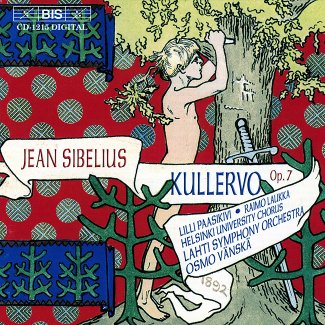
Celebrated for her performances of the Mahler song-cycles and symphonies, Lilli Paasikivi also champions the music of her homeland with a concert repertoire including Sibelius’ epic Kullervo, his incidental music The Tempest and The Maiden in the Tower, and Migrations by Olli Kortekangas which she premiered with the Minnesota Orchestra under the baton of Osmo Vänskä. She sang the role of Alexandra Fyodorovna in the world-premiere of Einojuhani Rautavaara’s Rasputin at Finnish National Opera Orchestra conducted by Mikko Franck, appeared as Cordelia in Aulis Sallinen’s King Lear also at Finnish National Opera, sang the role of the Pilgrim in the French-premiere of Kaija Saariaho’s L’amour de loin at the Théâtre des Champs-Elysées under Kent Nagano and most recently, appeared as the title in Eeva Kontu’s new work Armi Ratia – an operatic portrait of the legendary founder of the Finnish design house Marimekko.