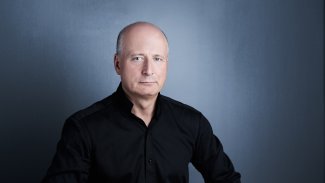
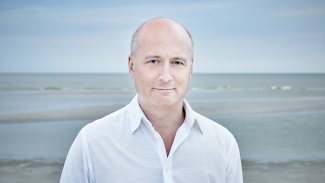
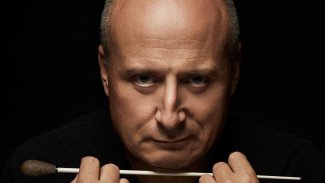
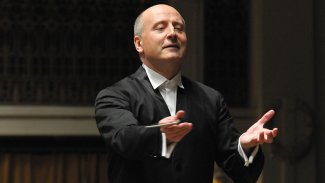
Paavo Järvi
“One rarely experiences such an immediate connection between orchestra and conductor, such an extraordinarily attentive presence on both sides so that with economical means an understanding of the most subtle shades is possible.”
(Wiener Zeitung)
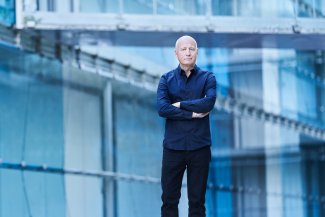
Chief Conductor and Artistic Advisor Designate: London Philharmonic Orchestra
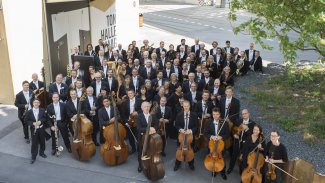
Chief Conductor and Music Director: Tonhalle-Orchester Zürich
Artistic Director: Die Deutsche Kammerphilharmonie Bremen
Artistic Director and Founder: Estonian Festival Orchestra
Artistic Advisor and Founder: Pärnu Music Festival & Järvi Academy
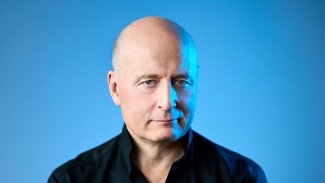
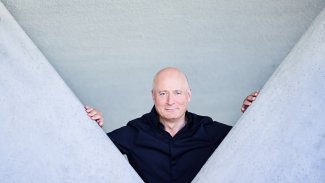
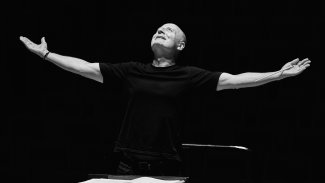
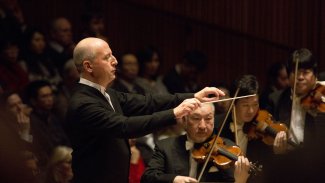
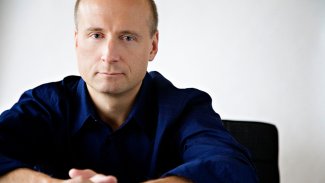
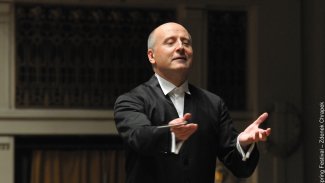
Paavo Järvi is one of today’s leading conductors. Since 2019, he has served as Music Director of the Tonhalle-Orchester Zürich and, since 2004, as Artistic Director of the Deutsche Kammerphilharmonie Bremen. From the 2028/29 season, he will become Chief Conductor and Artistic Advisor of the London Philharmonic Orchestra.
Each season culminates in performances and conducting masterclasses at the Pärnu Music Festival, founded by Järvi in 2011. The festival and its resident ensemble, the Estonian Festival Orchestra, have earned international acclaim through acclaimed performances and award-winning recordings. In autumn 2026, the orchestra returns to Asia for a second tour of South Korea before making its debut in China.
The 2026/27 season marks Paavo Järvi’s eighth year as Music Director of the Tonhalle-Orchester Zürich, highlighted by the continuation of the orchestra’s acclaimed Mahler cycle with performances, touring and new Alpha Classics recordings, alongside a season-long tribute to Beethoven in his anniversary year.
Show more
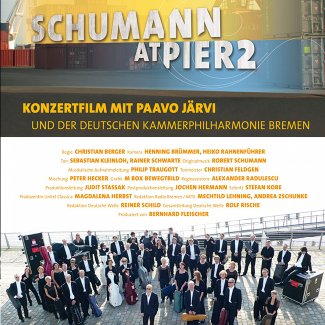
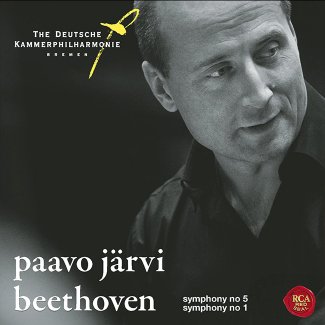
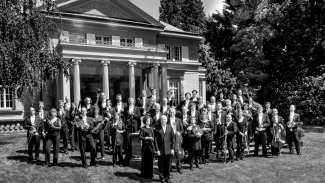
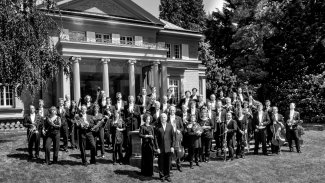
Now in his third decade as Artistic Director of the Deutsche Kammerphilharmonie Bremen, Paavo Järvi has performed and recorded benchmark performances of the complete orchestral works of Beethoven, Schumann and Brahms and this season focuses on an ongoing cycle dedicated to Schubert’s symphonies.
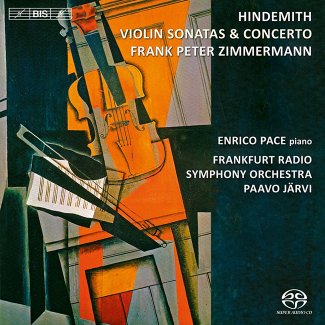
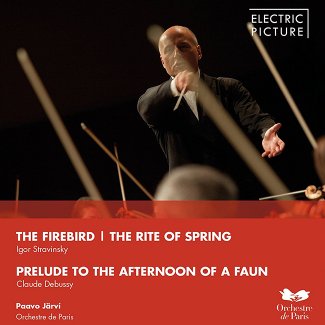
A highly sought-after guest conductor, Järvi appears this season with the Orchestre National de France, Boston Symphony Orchestra, Estonian National Symphony Orchestra, Luxembourg Philharmonic, Chicago Symphony Orchestra, Berlin Philharmonic, Philadelphia Orchestra and Los Angeles Philharmonic. He also maintains close artistic relationships with the orchestras he formerly led, including the Orchestre de Paris, Frankfurt Radio Symphony and NHK Symphony Orchestra.
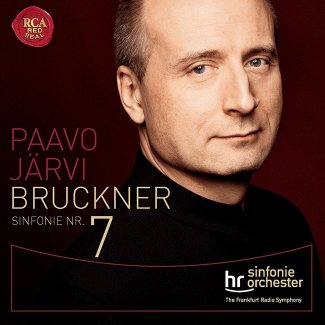
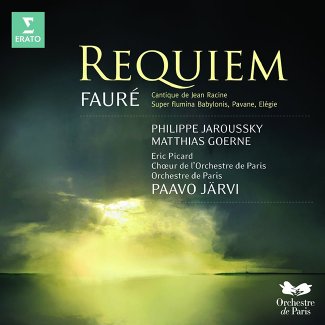
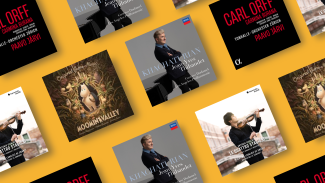
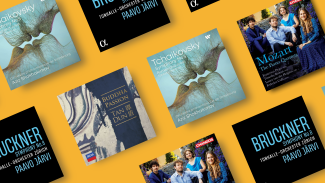
A prolific recording artist for more than three decades, Järvi has built a discography of over 130 recordings, spanning repertoire from Brahms and Beethoven to Shostakovich and contemporary music. His recording of Sibelius’s Cantatas won a Grammy Award.
Additional honours include Commandeur de l’Ordre des Arts et des Lettres, the Estonian State Cultural Award, Order of the White Star (Estonia), Order of the Rising Sun (Japan), the Hindemith Prize and Sibelius Medal.
Contacts
Jasper Parrott Executive Chairman HP Group & Associated Companies Teodora Masi Associate Director, Artist Management
Teodora Masi Associate Director, Artist Management
Gallery
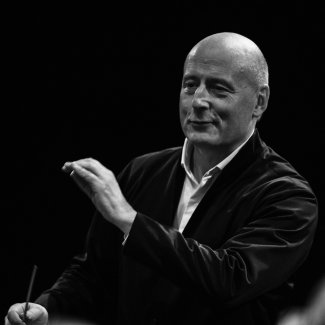


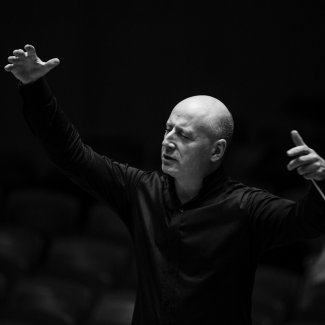
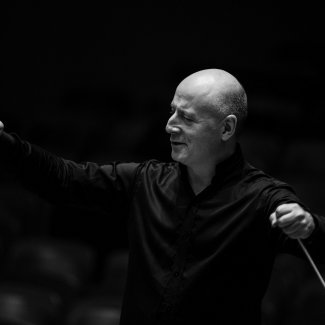
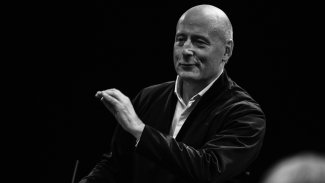
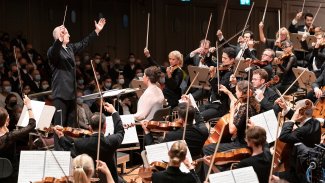
“From the moment Paavo Järvi raises his arms, there is something hanging in the room that can only be described with the word magic. It is inexplicable why some conductors can conjure up such a fantastic sound from an orchestra like the Berlin Philharmonic and others cannot. Järvi doesn’t actually do much, his gestures are modest, minimalist, he’s not a desk pig. But maybe that’s exactly his secret: Precisely because he is so deeply rooted in his own self, he can let go of the reins and encourage others to work true miracles.”
“You can’t have too much Dvořák in a single evening, at least not when the works in question operate at the highest level of volatility and melodic abundance like last night’s overture, concerto and symphony. “Febrile centrists” might look like an oxymoron, but that just about sums up conductor Paavo Järvi and cellist Gautier Capuçon: superlative techniques, feet firmly planted only so that the music can fly, moving dexterously through the turbulence but never pushing too hard. With the Philharmonia burning for both, this was an incandescent event.”
“Dmitri Shostakovich’s Sixth Symphony of 1939 ended the great evening: Paavo Järvi did not disappoint the audience’s expectations for precision and a sensual sound. On the contrary — he gave the event remarkable depth, summed up the developments in nowhere declining suspense. An exciting, but also highly, demanding concert evening for listeners and musicians alike!”
“The fourth symphony by Johannes Brahms, premiered in 1885 and a concentrated summit of the the romantic symphony, became a real event: rarely have I heard such gentle chastity in the soft-sounding woodwind chorales of the “Andante moderato”, so much harsh attack in the basses or in the tutti and a melody in the high strings, which sounds so emphatic again and again.”
“Järvi captured Sibelius* unique and powerful sense of time. On top, the music flowed and expanded, it looked out at the changing world around it. Underneath, the internal foundation rotated on its axis, meditating on memories and imagination. This was deeply evocative and true to Sibelius’ art”
“The rich program of the Pärnu Music Festival reflects the human concept that the conductor Paavo Järvi embodies as its guiding spirit … Under his unpretentious, collegial, always professional direction, the ensemble is thus imbued with the spirit of the Lucerne Festival Orchestra – and is already of an amazing standard.”
“The NHK Symphony Orchestra Tokyo surprise with a blazing virtuosity in Shostakovich. Chief conductor Paavo Järvi smuggles the Japanese into the top league … The strings created an ardour that connoisseurs usually ascribe to the Vienna Philharmonic. From Berlin came the bluster with which the violas probed. Moreover, in the lion’s mouth [of the Concertgebouw] the Japanese musicians produced an Amsterdam trump card …”
“At the close of Friday night’s Mostly Mozart concert in Geffen Hall, Paavo Järvi and the Festival Orchestra brought down the house with Beethoven’s Fourth Symphony — and how many times do you get to say that of anyone these days? … And let’s not waste words about the performance: it was magnificent in virtually every way. Järvi is musical down to his toes, and watching him work is almost as much fun as hearing the result.”